Santa Fe, New Mexico, stands as a vivid intersection of artistic expression, layered histories, and a unique regional character shaped by the high desert, indigenous heritage, colonial influences, and modern cultural currents. Everyday life in the city revolves around museums, local markets, public ceremonies, architectural traditions, and economic rhythms that turn art and history into active elements guiding work, domestic life, cuisine, and civic discussion.
Historical foundations that shape everyday life
Santa Fe emerged as a capital in the early colonial era and eventually became a crucial stop along major overland trade corridors. Its extended history—from Indigenous habitation through Spanish colonial rule, Mexican administration, and integration into the United States—still shapes governmental structures, street layouts, local toponyms, and public traditions. Historic plazas and state facilities form the core of civic life, offering spaces for markets, celebrations, and demonstrations. The legacy of the Santa Fe Trail and the city’s long-standing function as a regional governmental hub continues to guide development, attract visitors, and influence its collective identity.
Art as a structural and economic pillar
Art is both an economic engine and a social lingua franca in Santa Fe.
- Galleries and museums: Canyon Road, along with many galleries, showcases visual arts, while institutions such as the museum honoring a major American artist and museums focused on regional and global folk art attract visitors throughout the year and help sustain artists’ professional pathways.
- Contemporary initiatives: Experimental venues and artist collectives have turned Santa Fe into a hub for immersive installations, digital experimentation, and site-responsive public pieces, connecting local creators with audiences across the nation and abroad.
- Markets and annual events: The leading Indian art market each year brings in collectors, curators, and media coverage, facilitating direct purchases for indigenous artists and strengthening both craft-based and contemporary art sectors.
- Creative workforce: A substantial share of regional jobs and small business activity relies on the arts, cultural tourism, and creative services, sustaining galleries, studios, educational initiatives, and hospitality-related operations.
Architecture and urban form as cultural text
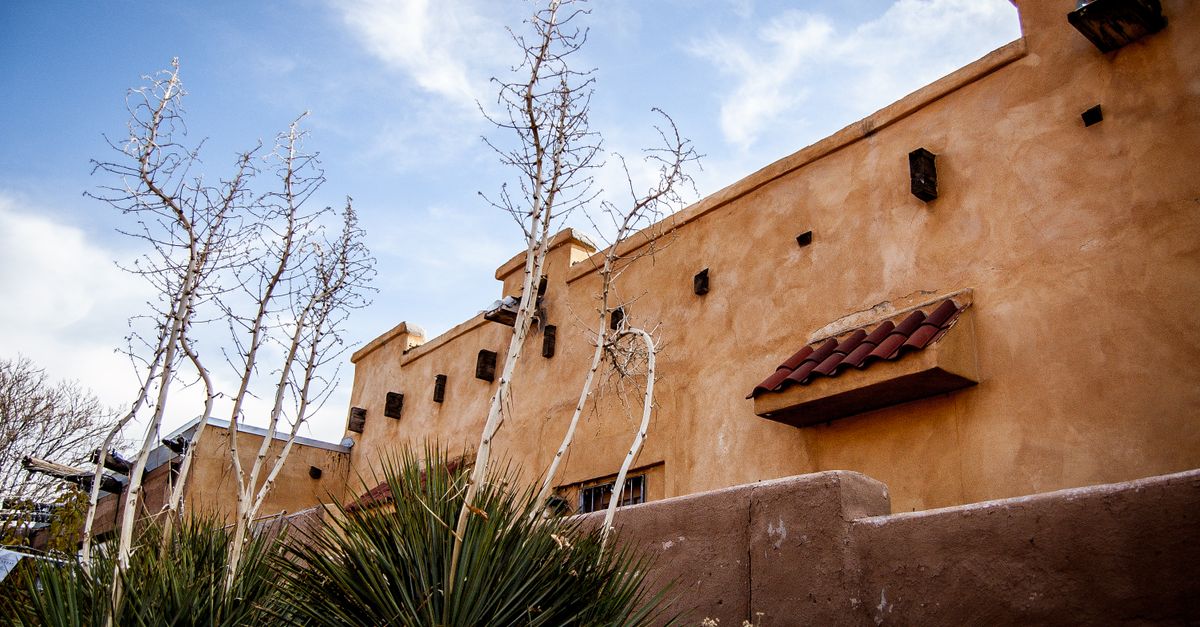
The prevalent low-rise adobe and regional revival styles are not just aesthetic choices; they are enforced and encouraged by local codes and preservation policies that aim to maintain a cohesive cityscape. This architectural language:
- Influences everyday visual surroundings, where earth-toned masonry, flat rooflines, timber accents, and set‑back windows shape both residential and commercial areas.
- Fosters a walkable downtown anchored by a historic main plaza that serves as a venue for markets, ceremonies, and community events.
- Establishes regulatory guidelines that weigh preservation, tourism, and local priorities, affecting housing availability, development expenses, and overall neighborhood identity.
Indigenous and Hispanic continuity in place and practice
Indigenous communities and descendants of early colonial settlers are central to Santa Fe’s identity. Their influence appears in material culture, public ritual, and economic life.
- Traditional arts: Ceramics, weaving, jewelry, and textile creations crafted by indigenous makers function as both cultural legacies and modern sources of income, with hallmark methods and renowned artisans enjoying international acclaim and deep historical roots.
- Institutions and education: An institute dedicated to indigenous arts, along with programs centered on traditional craftsmanship, delivers training, career development, and the passing down of specialized techniques across generations.
- Culinary identity: The region’s cuisine, highlighted by unique local peppers, agricultural traditions, and long-standing foodways, links everyday meals to place-specific heritage and enduring farming systems.
Public culture: festivals, rituals, and markets
Public events are civic rituals that anchor the year and generate social and economic exchange.
- Large annual art markets concentrate sales for artists and create a seasonal surge in visitors and media coverage.
- Performing arts seasons, including an acclaimed outdoor opera and chamber music series, shape summer cultural calendars and attract international audiences.
- Street fairs, craft markets, and open-studio weekends make art visible and purchasable for residents and visitors, collapsing the distance between production and consumption.
Case studies that demonstrate the interaction
- Major artist museum: A museum devoted to a canonical American modernist draws scholarship and tourism, anchors research into landscape-inspired work, and provides educational programming that connects local schools to national art history.
- Immersive art collective: A locally founded collective turned destination venue demonstrates how experimental art can drive economic development, tourism, and debates over cultural stewardship and authenticity.
- Indian art market: The annual market functions as a primary sales platform for indigenous artists, producing direct income, reputational effects, and contested conversations about cultural property, authenticity, and commercialization.
Economic and demographic context
Santa Fe’s economy relies strongly on government jobs, arts and cultural tourism, hospitality, and a diverse mix of small businesses, and the city continues to draw retirees, second-home owners, and remote professionals, boosting demand for housing and services. This influx sustains local enterprises while also prompting worries about rising expenses, community displacement, and the long-term stability of its creative population. Annual tourist numbers surpass one million, invigorating restaurants, lodging, and galleries, yet also heightening seasonal strain on local infrastructure.
Landscape and climate as identity markers
Positioned at about 7,200 feet above sea level, the high desert landscape and surrounding mountains offer Santa Fe a distinctive climate, luminous atmosphere, and ecosystem that have long stirred the creativity of painters, writers, and musicians. Limited water resources, weather shaped by altitude, and a pronounced sense of place tied to the region’s visible landforms influence urban planning, farming decisions, outdoor activities, and artistic expression. Conservation initiatives and planning discussions often highlight the protection of the landscape as essential to preserving cultural identity.
Contemporary frictions and public discourse
The dynamic relationship among art, history, and identity gives rise to civic inquiries:
- How to balance heritage preservation with affordable housing and workforce needs.
- How to ensure that markets and tourism benefit resident artists and indigenous creators rather than commodify traditions.
- How development and regulatory policy can protect the visual and cultural character while allowing for equitable economic opportunities.
Such tensions emerge in zoning debates, the governance of markets during major events, museum acquisition and lending practices, and discussions about public art commissions.
Daily expressions
For residents, the city’s identity is visible in routine activities: shopping at artisan stalls, attending gallery openings, eating meals built on regional agricultural products, commuting through a low-rise historic center, and participating in public ceremonies. Schools and community centers include arts education rooted in local traditions. Local media and civic forums constantly negotiate the meanings of authenticity, stewardship, and representation.
Santa Fe operates as a cultural ecosystem where artistic expression, historical strata, and the surrounding environment continually shape one another: architectural heritage and preservation regulations maintain a cohesive visual story; markets, institutions, and festivals circulate income alongside cultural value; enduring indigenous and long-established Hispanic communities anchor identity through lived traditions; and contemporary creative ventures invigorate local economies while adding complexity to issues of accessibility. Collectively, these elements create a city in which daily experience is influenced by, and in turn enriches, an ongoing dialogue about belonging to a place defined by a profound past and a vibrant cultural present.