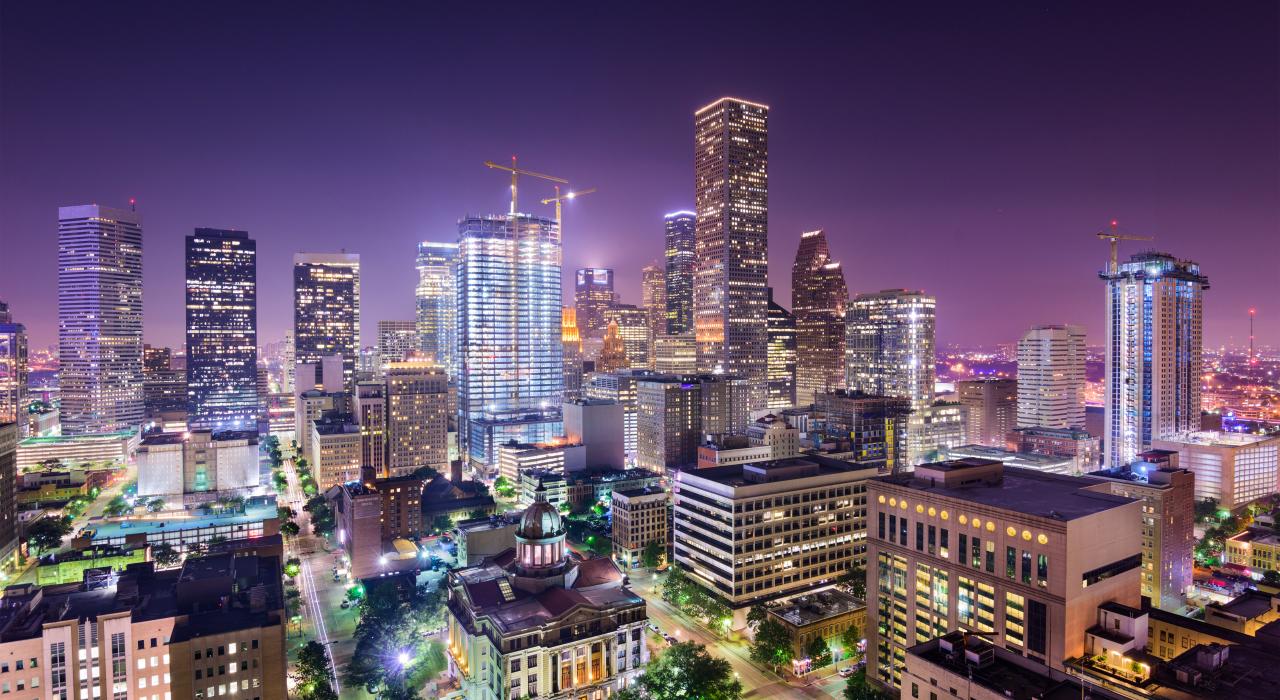
Houston has long been recognized as the energy capital of the world, built on decades of leadership in oil and gas exploration, refining, and petrochemicals. Today, the city is redefining that legacy by strengthening energy innovation ecosystems centered on sustainability and industrial transformation. Rather than abandoning its industrial base, Houston is leveraging it to accelerate low-carbon technologies, digital solutions, and scalable clean energy systems. The result is a uniquely integrated model that connects traditional energy expertise with emerging climate-focused innovation.
From Energy Capital to Energy Transition Hub
Houston’s energy-driven economy is extensive, hosting more than 4,500 energy-focused companies and employing hundreds of thousands of people across upstream, midstream, downstream, and power generation segments, and this deep pool of expertise, infrastructure, and investment has helped the area evolve into a strong hub for renewable energy, hydrogen, carbon management, and electrification.
Major energy companies based in Houston have pledged billions toward initiatives aimed at decarbonization, with funding directed to carbon capture, utilization, and storage, the development of low-carbon fuels, efforts to curb methane emissions, and the electrification of operations, all indicating a notable strategic shift. Rather than constructing clean energy industries from the ground up, Houston is revamping and modernizing its established industrial infrastructure, generating a significant multiplier effect.
Innovation Districts and Cooperative Hubs
A cornerstone of Houston’s transformation is the development of innovation districts and collaborative ecosystems. The Ion District, located in Midtown, serves as a nexus for startups, researchers, venture capital, and corporate partners. It provides laboratory space, accelerator programs, and industry mentorship focused on climate technology and industrial innovation.
Organizations such as Greentown Labs Houston and the Houston Energy Transition Initiative serve as powerful catalysts, with Greentown Labs assisting early-stage climatetech ventures by providing prototyping spaces, pilot avenues, and direct links to industry collaborators, while the Houston Energy Transition Initiative brings together corporations, policymakers, and academic institutions to coordinate strategies and speed up broad implementation.
This ecosystem model encourages collaboration over rivalry, enabling startups to reach customers and real-world testing environments, while established companies benefit from access to cutting-edge technologies and entrepreneurial agility.
Hydrogen and Carbon Management Leadership
Hydrogen and carbon capture have emerged as pillars of Houston’s sustainability strategy. The Gulf Coast’s dense concentration of refineries, petrochemical plants, pipelines, and port facilities makes it ideal for large-scale hydrogen production and carbon dioxide transport networks.
Houston-area companies are pushing forward with blue and low-carbon hydrogen initiatives that tap into existing natural gas supplies while incorporating carbon capture technology, and at the same time, green hydrogen efforts driven by renewable electricity are also underway. The region’s broad pipeline network supports efficient carbon dioxide transport to geological storage locations along the Gulf Coast.
Industry studies estimate that large-scale carbon capture projects in the Houston Ship Channel could reduce tens of millions of metric tons of carbon dioxide annually. These initiatives demonstrate how industrial clusters can decarbonize collectively, reducing costs through shared infrastructure.
Advances in Electrification, Digital Innovation, and Industrial Efficiency
Beyond hydrogen and carbon capture, Houston is propelling industrial change through broader electrification and sophisticated digital optimization, with smart grid upgrades, cutting-edge battery storage, and distributed energy networks spreading throughout the area while digital tools including artificial intelligence, predictive maintenance, and continuous emissions tracking enhance operational performance.
Industrial facilities are increasingly deploying sensors and data analytics platforms to reduce energy consumption and detect methane leaks. These measures not only lower emissions but also enhance safety and profitability. The integration of digital innovation with physical infrastructure reflects Houston’s broader strategy: modernize heavy industry while maintaining competitiveness.
- Advanced monitoring systems reduce operational emissions and downtime.
- Electrified equipment and fleet transitions decrease reliance on diesel and fossil fuels.
- Energy storage integration stabilizes renewable power supply for industrial users.
- AI-driven optimization improves energy intensity across complex facilities.
Academic and Workforce Alignment
Houston’s universities play a vital role in sustaining its innovation ecosystem. Institutions such as Rice University and the University of Houston conduct cutting-edge research in materials science, carbon management, and clean energy systems. Research partnerships with industry accelerate commercialization pathways.
Workforce development initiatives are equally important. Transitioning from traditional oil and gas roles to advanced energy systems requires retraining in digital engineering, hydrogen technologies, and carbon management operations. Community colleges and vocational programs are aligning curricula with evolving industry needs, ensuring that local talent can participate in the transition.
This strategy limits social upheaval and strengthens economic resilience, as Houston seeks to elevate workers’ skills instead of replacing them, safeguarding long‑standing institutional knowledge while adjusting to emerging technological requirements.
Capital Flows and Policy Support
Investment capital continues to surge into Houston’s evolving energy‑transition ecosystem, with venture funds, corporate venture groups, and private equity investors increasingly focusing on climate‑tech startups offering scalable industrial solutions, while public financing tools, tax incentives, and federal infrastructure initiatives help reduce risk for major hydrogen, carbon‑capture, and grid‑modernization projects.
Policy frameworks at the state and federal levels support industrial decarbonization without undermining competitiveness. Incentives for carbon storage, clean hydrogen production, and renewable energy deployment provide financial certainty that encourages long-term infrastructure investments.
Port of Houston and Global Connectivity
The Port of Houston strengthens the city’s strategic standing, operating as one of the busiest maritime gateways in the United States. It supports global energy exchanges while functioning as a central hub for renewable fuels and hydrogen-related logistics. Port authorities are rolling out electrification efforts, emissions‑cutting measures, and long‑term resilience strategies to bring maritime activities in line with sustainability objectives.
Global partnerships broaden Houston’s reach worldwide, as international delegations, trade missions, and collaborative cross-border research efforts help establish the city as a living laboratory for the global energy transition.
Industrial Transformation as a Strategic Edge
Houston’s strategy is distinctive because it integrates sustainability with industrial pragmatism. Rather than viewing decarbonization as a threat to legacy industries, the city treats it as an opportunity for modernization and growth. By leveraging its engineering expertise, infrastructure density, and capital access, Houston accelerates technologies that might struggle to scale elsewhere.
The interplay between startups, multinational corporations, research institutions, and public agencies creates a feedback loop of innovation. Pilot projects evolve into commercial deployments. Infrastructure investments unlock new business models. Skilled workers transition into advanced roles that sustain economic vitality.
Houston’s evolving energy ecosystem illustrates how an industrial powerhouse can transform itself without abandoning its foundations. The city demonstrates that sustainability and heavy industry are not mutually exclusive but can reinforce one another when aligned through innovation, collaboration, and long-term vision.