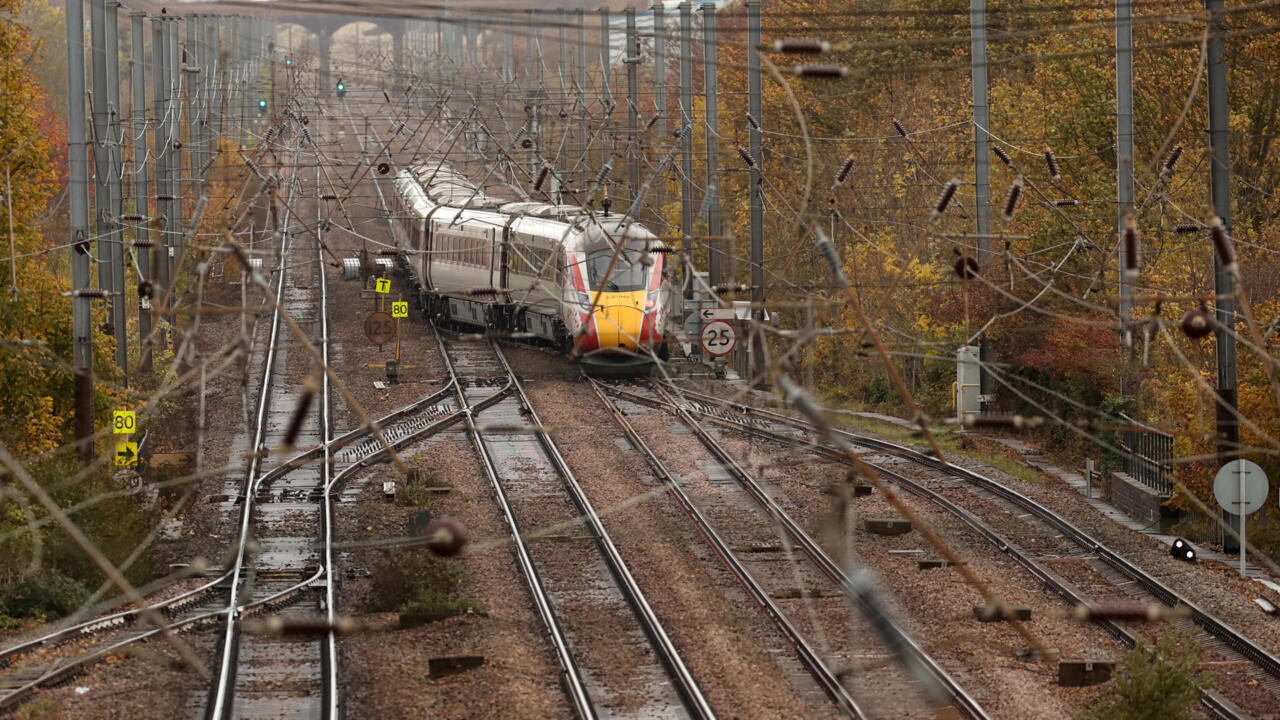
A collaborative effort between railway personnel and law enforcement averted a potential disaster during a knife assault on a train heading to London, underscoring the courage and rapid decision-making of the individuals involved. This event, which occurred on a London North Eastern Railway (LNER) high-speed service, resulted in several passenger injuries but was promptly brought under control due to the decisive actions of the train operator, a brave colleague, and emergency services.
Prompt intervention prevents larger catastrophe
The attack occurred on a Saturday evening shortly after the train departed Peterborough station in Cambridgeshire. Police received the first emergency call at approximately 7:39 p.m. local time, reporting a stabbing onboard the train. In just 11 minutes, officers had apprehended the 32-year-old suspect, Anthony Williams, at Huntingdon station. The rapid response prevented further casualties and ensured that the injured received prompt medical attention.
Eleven people were hospitalized as a result of the attack, including a railway worker in critical but stable condition. Authorities have credited the actions of the staff onboard for limiting the scope of injuries. The train driver, Andrew Johnson, acted decisively by diverting the train onto a slow line to stop safely at Huntingdon station rather than making an emergency halt between stations, which could have complicated police intervention.
A fellow worker of Johnson’s, who faced the assailant on the train, was lauded by Home Secretary Shabana Mahmood for “moving towards peril, engaging the attacker for an extended duration, and halting his progression through the train.” British Transport Police examined surveillance video and commended the employee’s bravery, asserting that his actions “unquestionably preserved numerous lives.”
Coordination between train staff and emergency services
The effectiveness of the operation was largely contingent on the seamless collaboration among the train operator, signal personnel, and law enforcement. Publicly available information reveals that the train’s initial diversion was approved at 7:40 p.m., merely sixty seconds following the first notification to the authorities. By 7:44 p.m., the train had been securely directed to a platform at Huntingdon, where police, including armed units, were prepared to act. The close vicinity of Huntingdon station to the Cambridgeshire Constabulary’s main office facilitated an exceptionally rapid deployment of personnel.
Passengers described a chaotic scene as they fled from the attacker. Some hid in carriages or restrooms, while others were assisted by fellow travelers handing out blankets and supplies. Wren Chambers, a passenger, recounted hearing screams and initially mistaking the incident for a Halloween prank before realizing it was a serious attack. Another witness, Thomas McLachlan, emphasized the presence of multiple heroes among the passengers, highlighting the solidarity and quick thinking of ordinary people in extraordinary circumstances.
The bravery of the train crew, combined with the driver’s experience—Johnson served 17 years in the Royal Navy and has extensive route knowledge—proved critical. Union official Nigel Roebuck praised Johnson for executing his training flawlessly, emphasizing the courage and dedication required under such high-pressure conditions. LNER managing director David Horne echoed these sentiments, recognizing the “driver, crew and our operational response colleagues for their bravery and quick actions.”
Inquiry and Accusations Against Suspects
Anthony Williams, a 32-year-old from Peterborough, faces charges including ten counts of attempted murder, one count of actual bodily harm, and possession of a bladed weapon, alongside an earlier alleged assault at a London transport hub. He remains in custody and is set to appear in court again on December 1. Officials have stated that there is no indication the incident was linked to terrorism. Mahmood confirmed that the individual was not on the radar of security agencies or anti-terrorism initiatives.
Cambridgeshire law enforcement additionally connected multiple other occurrences to Williams, such as a knife attack in the heart of Peterborough where a 14-year-old suffered slight wounds. Another individual, initially apprehended at the railway location, was set free without any charges.
Consequences for those affected and societal reaction
Among those admitted to the hospital is Scunthorpe United footballer Jonathan Gjoshe, whose injuries are not considered life-threatening. Five other individuals have been released from care, but the railway employee who suffered critical injuries is still receiving medical attention. Officials have not released further information regarding the other affected individuals.
The community’s reaction highlighted a blend of apprehension and bravery. Travelers displayed resourcefulness and valor, assisting in the protection of others and endeavoring to manage the situation until authorities appeared. Onlooker testimonies detail instances of safeguarding susceptible individuals, such as youngsters, and offering prompt aid to those harmed. These narratives emphasize the remarkable human reaction to an unforeseen emergency.
Reflection on emergency preparedness
The event has highlighted the critical role of emergency drills and readiness in public transportation. In the UK, train operators and signal personnel receive comprehensive instruction, encompassing familiarity with track configurations, signal placements, and crisis management strategies for unforeseen situations. The collaborative effort among Johnson, signalers, and law enforcement underscores the effectiveness of such thorough groundwork.
Officials and government representatives have highlighted the insights gained from the assault. Both the Home Secretary and the Transport Secretary commended the individuals whose efforts reduced damage, acknowledging their swift judgment, bravery, and expertise. The joint operation involving railway personnel and emergency responders offers a blueprint for prompt action in comparable future events.
Next Steps
While the investigation continues, authorities are focused on ensuring the safety of passengers and learning from the response to strengthen protocols. The incident has also sparked discussions about rail security, the role of staff in crisis situations, and how passengers can be better protected during emergencies.
The swift resolution of the Huntingdon train attack demonstrates the critical role of preparedness, teamwork, and human courage in preventing greater tragedies. From the driver’s decisive rerouting of the train to the heroic actions of the onboard railway worker, this event underscores how rapid decision-making and coordinated efforts can save lives even in the most unexpected and dangerous circumstances.
As authorities continue to examine the details of the attack and its aftermath, the focus remains on the recovery of the injured and the recognition of the bravery displayed. The coordinated response between crew, passengers, and police serves as a testament to the resilience of communities facing sudden threats, reminding the public of the essential role that vigilance and preparedness play in maintaining safety on public transport systems.