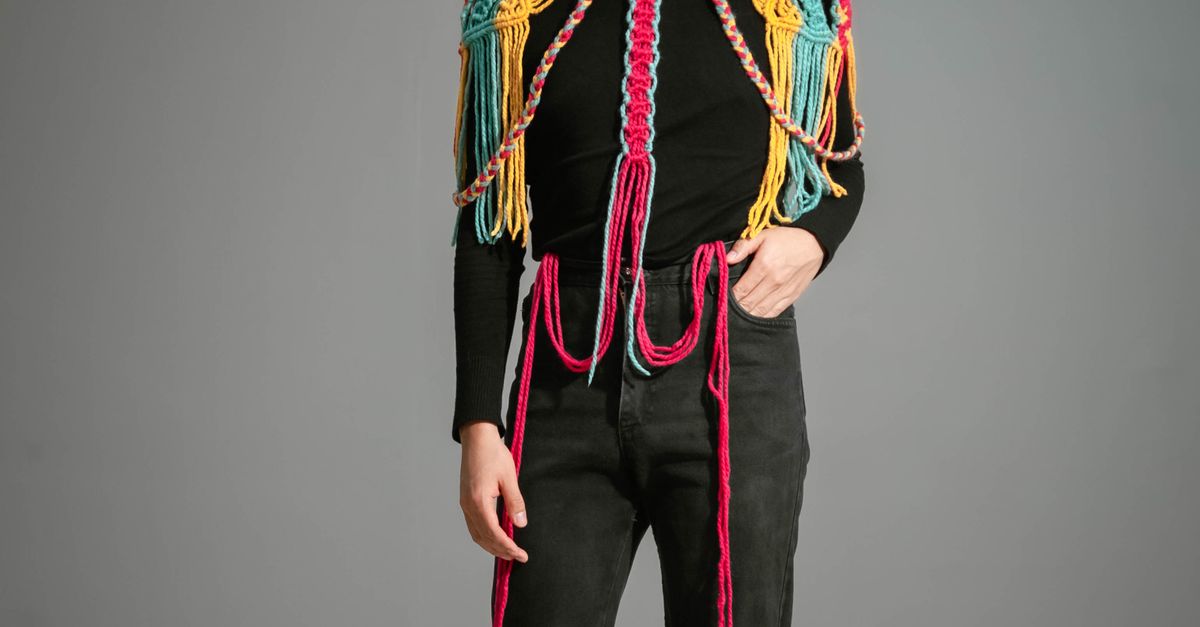
In the world of fashion, prints represent a tapestry of creativity and expression woven seamlessly into materials, transforming simple fabrics into vivid reflections of cultural and aesthetic narratives. As an integral aspect of fashion design, prints are not merely decorative elements but signify a complex interplay of art, technology, tradition, and innovation.
The Evolution of Prints in Fashion
Historically, prints have been used in textiles for thousands of years, from the intricate patterns found in ancient Egyptian linen to the sophisticated motifs of the Ottoman Empire. However, it was the Industrial Revolution that catalyzed a significant transformation in textile printing. Advancements in technology allowed for faster production and greater accessibility, making printed fabrics a staple in both haute couture and everyday fashion.
Print Varieties
Fashion features a remarkable spectrum of prints, each contributing its own distinctive character to garments, with several notable types standing out:
Floral Prints: Commonly linked to timeless elegance and a feminine touch, floral motifs remain enduring staples that flourish throughout spring and summer lines, with designers such as Dolce & Gabbana and Oscar de la Renta celebrated for their signature approach to these botanical patterns.
Animal Prints: Representing both strength and an exotic allure, animal patterns including leopard, zebra, and snake have long influenced the fashion world. They function as striking visual elements, frequently employed by designers such as Roberto Cavalli and Versace to convey refinement and an untamed charm.
Geometric Prints: With their precise lines and shapes, geometric prints offer a sense of order and modernity. Influential designers, including Prada and Balenciaga, have utilized these prints to create visually striking pieces that challenge traditional forms.
Abstract Prints: Often inspired by art movements and modernist principles, abstract prints provide designers the freedom to explore color, form, and imagination. Designers like Dries Van Noten incorporate abstract prints to produce unique and avant-garde creations.
Polka Dots: A classic print that exudes playful charm, polka dots have been popularized by designers such as Carolina Herrera and Marc Jacobs, often interpreted in various sizes and color combinations to suit different styles.
How Technology Continues to Shape Print Development
Digital technology’s evolution has transformed how prints are conceived and incorporated into fashion, as digital textile printing gives designers the freedom to explore complex motifs and rich color palettes without the limitations of conventional techniques, and this advancement has broadened access to fashion creation, allowing emerging brands to stand alongside major industry players by presenting unique, customized print concepts.
Moreover, sustainability has become a driving factor in the fashion industry, pushing for the use of eco-friendly dyes and materials in printed textiles. Companies are increasingly adopting sustainable practices in their production processes, aligning with the growing consumer demand for ethical fashion.
Case Studies: Iconic Prints in Fashion
Several prints have become synonymous with renowned fashion houses, setting trends and defining eras:
Burberry’s Check: First introduced in the 1920s, the Burberry check has steadily shifted from a practical lining element to an internationally recognized emblem of British luxury fashion.
Pucci’s Psychedelic Prints: Emilio Pucci’s innovative use of bold, swirling patterns in vibrant colors has become the hallmark of his brand, capturing the spirit of the 1960s and influencing countless designers.
Missoni’s Zigzag Pattern: Renowned for its vibrant knit designs, Missoni’s emblematic zigzag motif stands as a lasting symbol of the brand’s masterful fusion of color and pattern, continually influencing modern knitwear aesthetics.
The Cultural Importance of Prints
Fashion prints frequently mirror cultural identities and evolving social movements, offering visual expressions of empowerment, individuality, and heritage. African wax prints, known for their vivid motifs and rich symbolism, are central to showcasing African culture and style. In a similar way, traditional Japanese kimono patterns often feature classic designs that narrate stories and highlight shared societal values.
Prints in fashion convey far more than visual charm; they stand as a dynamic, multifaceted feature that reflects cultural heritage, technological progress, and individual expression. As the fashion world evolves, prints continue to play an essential role, highlighting the boundless imagination and ingenuity driving the industry. With their rich hues and detailed patterns, prints will keep shaping the fashion landscape, continually guiding and inspiring the styles of the future.