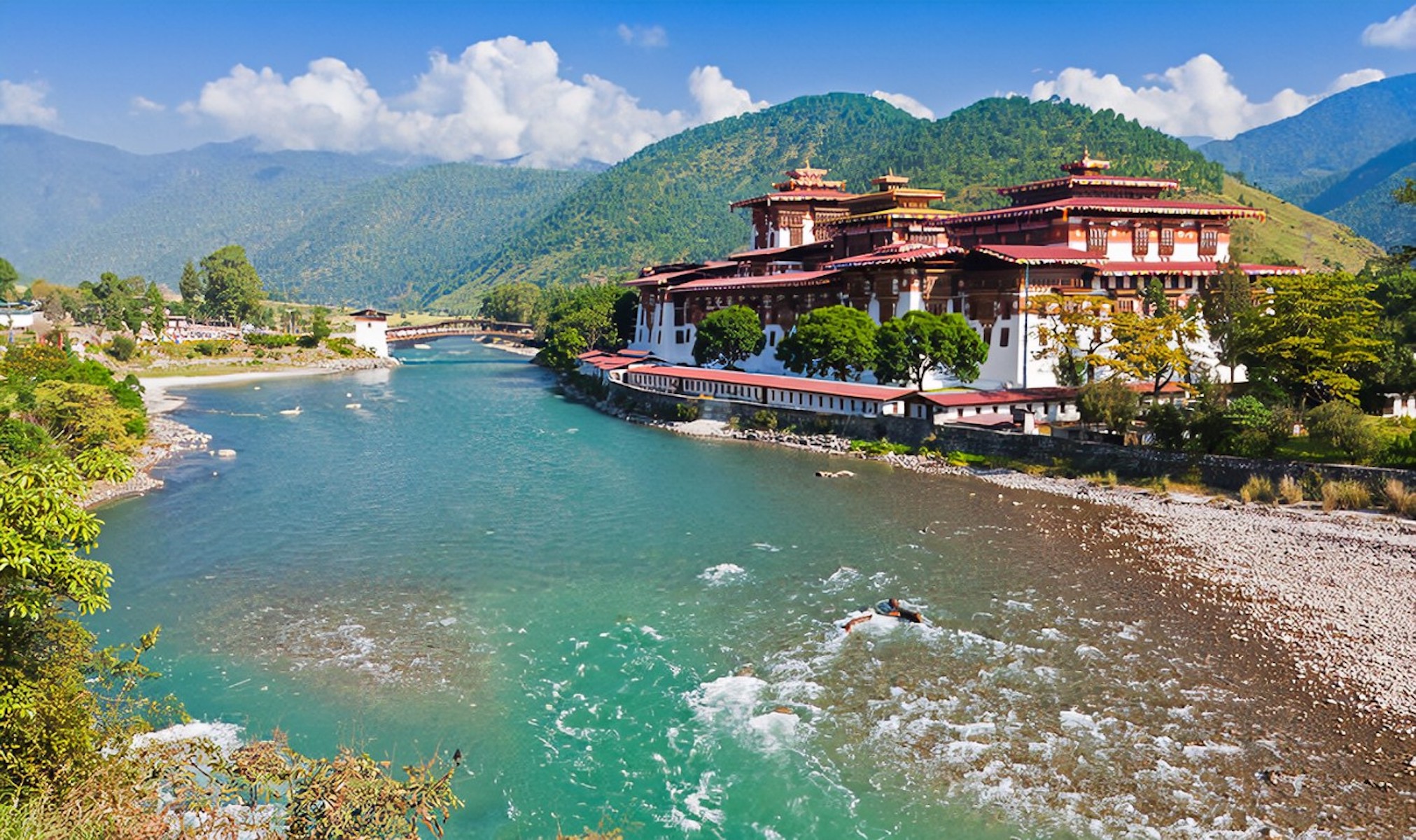
Bhutan is widely recognized as a deliberate model of tourism stewardship, designed to safeguard its cultural heritage and delicate environments while generating income for national progress. The nation’s core philosophy prioritizes well-being and preservation over uncontrolled increases in visitor numbers. That vision is carried out through policy mechanisms, controlled market entry, collaborations with private operators, and community-driven strategies that strive to ensure tourism gains remain local and negative impacts stay contained.
Key policy instruments and mechanisms
- High-value, low-volume approach: Visitors must obtain a government-required package that bundles a daily conservation and development levy. This system both generates funding and serves as a mechanism to curb high-volume, budget travel.
- Daily sustainable development fee: A set per‑day charge applied to most international travelers helps support infrastructure, conservation efforts, healthcare, and education, with the fee clearly displayed in pricing to ensure transparency and its dedicated use.
- Visa and permit controls: Entry is regulated through visa requirements and permits governing access to ecologically sensitive or isolated regions, and many treks and excursions mandate the involvement of licensed operators and registered guides.
- Legal and constitutional safeguards: National policies include environmental mandates that preserve substantial forest cover and uphold a system of protected territories and biological corridors to maintain biodiversity.
Environmental context and measurable outcomes
- Protected land and forests: Over half of the land area is conserved in parks and corridors, and forest cover is maintained well above the constitutional minimum. These protections underpin watershed health, biodiversity, and carbon sequestration.
- Carbon balance: The country is recognized for absorbing more carbon than it emits, thanks to extensive forest cover and low industrial emissions—an important asset when planning climate-resilient tourism.
- Visitor volumes: Prior to the global travel downturn, annual arrivals numbered in the low hundreds of thousands, and policy tools were explicitly designed to keep future growth manageable while increasing per-visitor revenues for public goods.
Tourism-driven pressures and the vulnerable ecosystems in jeopardy
- Ecosystem pressures: Trails, campsites, and frequently visited valleys can suffer from soil degradation, diminished native plant cover, disrupted wildlife patterns, and accumulating waste when oversight is lacking.
- Water and waste: Remote lodges and trekking corridors may overtax limited water reserves and produce refuse that becomes challenging to manage without dedicated infrastructure upgrades.
- Cultural dilution: Widely visited venues and festivals face risks of commercial overexposure, diminished ceremonial significance, or the turning of traditional crafts into mere commodities when custodial communities do not receive equitable benefits.
Corporate social responsibility (CSR) in practice
The tourism private sector—hotels, lodges, airlines, and tour operators—plays a critical role through voluntary and mandated CSR measures.
- Revenue sharing and community funds: Numerous operators collaborate with nearby communities by arranging homestays, hiring local personnel, and supporting development efforts that include schools, medical posts, and clean-water initiatives.
- Environmentally responsible operations: Leading properties allocate resources to wastewater treatment, solar systems, high-efficiency heating, composting, and cutting back plastic use to minimize their impact in fragile environments.
- Capacity-building and cultural support: Companies provide financial backing for training local guides, strengthening handicraft cooperatives, and enhancing language or hospitality abilities so communities retain a greater portion of tourism-related earnings.
- Partnerships with foundations and government: Collaborative ventures among private operators, national agencies, and local NGOs underwrite habitat restoration, wildlife monitoring, and improved waste-handling programs.
Community-based tourism and conservation case examples
- Valley conservation and visitor programs: In valleys that sustain crane populations, community-managed homestays and guided excursions are combined with seasonal efforts focused on safeguarding local wildlife. Income generated helps counterbalance household losses caused by farming restrictions and supports essential public services.
- Remote trekking management: In high-altitude trekking areas, access is regulated through permits and certified guides; residents offer porter assistance and homestay accommodations, giving them clear motivation to preserve delicate grasslands, water sources, and cultural landmarks.
- Eco-lodge commitments: Various lodge groups implement on-property compost systems, wastewater treatment measures, and policies favoring local procurement. They also administer scholarship initiatives and health programs within their host communities as part of their broader CSR efforts.
Oversight, compliance, and adaptive oversight
- Carrying-capacity studies: Regular assessments identify thresholds for trail use, festival crowds, and campsite numbers so management responses can be evidence-based.
- Visitor education and codes of conduct: Mandatory briefings, clear signage, and guide-led behavior norms reduce wildlife disturbance and cultural disrespect.
- Technology and data: Digital permit systems, visitor tracking, and remote-sensing of vegetation and erosion help authorities and communities detect pressure points and allocate resources.
Best-practice recommendations for tourism CSR that preserves culture and limits ecological impacts
- Align CSR with measurable conservation outcomes: Link CSR spending to specific, monitorable targets—such as kilometers of trail restored, wastewater systems installed, or percentage of tourism wages retained locally.
- Prioritize benefit-sharing: Ensure earnings from permits, fees, and service contracts flow quickly to local communities and are used for agreed public goods.
- Institutional partnerships: Create frameworks for long-term partnerships among government, businesses, and community organizations so projects outlast individual tourism cycles.
- Limit and manage visitation: Use pricing, permits, and seasonal timing to steer visitors away from ecological and cultural stress periods.
- Invest in low-impact infrastructure: Energy-efficient buildings, off-grid solar, composting toilets, and proper waste transfer systems are priority investments for fragile sites.
- Build cultural resilience: Support local custodians of heritage through direct funding, training for young practitioners of traditional arts, and rules that safeguard ritual integrity from commodification.
- Measure, report, and adapt: Commit to public reporting on environmental and social indicators and adapt strategies based on monitoring results.
Lessons for other destinations
Bhutan’s model shows that a policy mix of controlled access, clear earmarking of tourism revenues, community engagement, and corporate responsibility can maintain cultural integrity and ecological health while allowing tourism to contribute to development. Key transferable elements include transparent fee systems that fund conservation, legally backed environmental thresholds, mandatory local participation, and an emphasis on visitor education rather than solely visitor numbers.
Bhutan’s experience illustrates that tourism can function as a means of protection rather than extraction when national principles, legal frameworks, and market policies work in concert, with sustainable development fees, community-focused benefit structures, low-impact corporate initiatives, and continuous oversight forming a system that reinforces preservation and cultural vitality, while the ongoing challenge lies in sustaining this equilibrium as visitor expectations, climate pressures, and economic demands evolve, requiring a flexible stewardship approach supported by government, the private sector, civil society, and local guardians of both landscape and heritage.