
.jpg "Investing in Residential Projects in Panama in 2026")
Investment in residential projects in Panama has steadily positioned itself as a highly preferred choice for both local and international investors who look for stability, solid growth prospects, and diversified assets. In recent years, the performance of the real estate market has been shaped by ongoing urban development, expanding infrastructure, and the nation’s rise as a leading logistics and financial hub in the region.
As interest in urban housing remains steady, residential developments for investment in 2026 are emerging that respond to new living dynamics. One of these is Panamá Viejo Residences, a project located in Panama City that is situated in a strategic hub connecting residential and commercial areas with major transportation corridors, reflecting the evolution of housing toward more integrated and functional spaces.
Macroeconomic Steadiness and Trust Within the Real Estate Market
Panama maintains a dollarized economy and a financial system considered solid within the region, which has helped generate sustained confidence in the real estate sector. This stable economic environment translates into a market with lower volatility compared to other countries in the region.
The real estate sector’s performance is bolstered by areas like logistics, international services, commerce, and tourism, all of which continue to fuel the nation’s expansion, and within this context, investing in residential developments is regarded as a choice with strong fundamentals for both the medium and long term.
Sustained demand for urban housing and an active rental market
Panama City consistently experiences strong housing demand fueled by a wide mix of residents, including professionals, young families, students, and international employees, leading to a dynamic rental market, especially in neighborhoods offering convenient access to transportation and essential services.
Interest in practical, strategically located apartments has spurred the rise of contemporary residential developments crafted for urban living, and this movement is expected to stay robust through 2026, as demand focuses on districts that blend convenience, essential services, and a high standard of living.
Value Increases Within Expanding Urban Zones
Property values in the Panamanian real estate sector are consistently rising, especially in districts undergoing ongoing urban growth, while areas close to key roads, commercial hubs, and emerging expansion zones continue to experience stable appreciation.
Areas like Panamá Viejo have risen in prominence thanks to their strategic positioning and their links to key zones such as Costa del Este, Corredor Sur, and downtown, and these locations have increasingly attracted investment interest for their strong prospects in growth and urban consolidation.
Contemporary housing with integrated community amenities
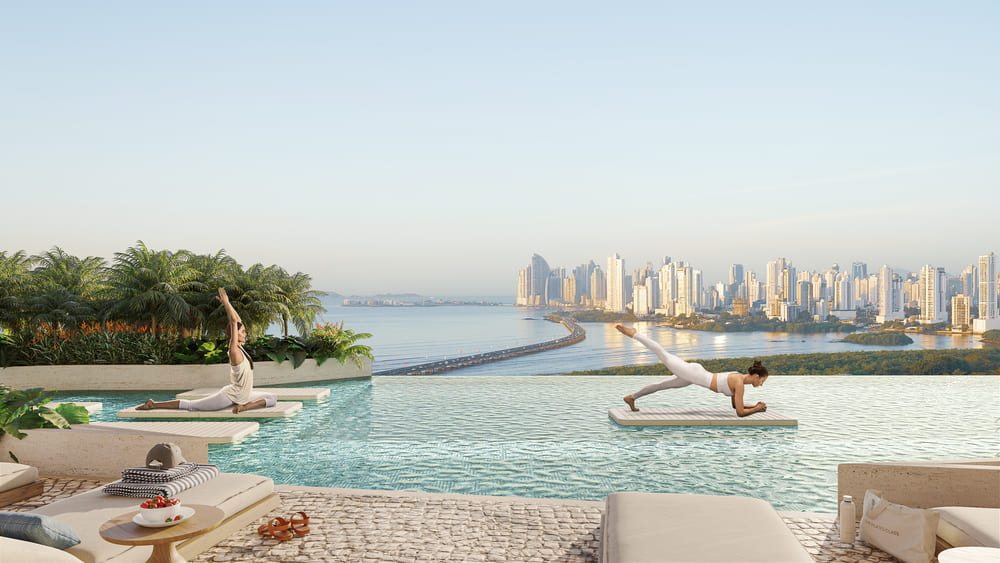
Current residential projects in Panama have shifted toward designs that seamlessly incorporate amenities and shared areas as a core part of everyday living, where gyms, social zones, landscaped sections, leisure facilities, and security features have become typical market standards.
This approach not only fulfills residents’ expectations but also shapes rental demand and how properties are valued. The incorporation of community amenities has reshaped the nation’s understanding of modern urban housing.
Open Access to Investment and Streamlined Processes
Panama maintains a legal framework that is open to foreign investment, under which residency is not required to purchase property. This factor has facilitated the participation of international investors in the local real estate market.
Moreover, buying procedures are generally well organized and easy to navigate, which enhances overall transaction transparency. This setting has boosted the nation’s attractiveness as a regional destination for residential investment.
Prospects for the Panamanian residential market as it moves toward 2026
Expectations for Panama’s real estate sector through 2026 suggest demand will remain steady, supported by expanding urban zones and the growing requirement for contemporary housing. Economic resilience, a strategic geographic position, rising values in developing districts, and a dynamic rental market continue to make the country a prime destination for residential investment.
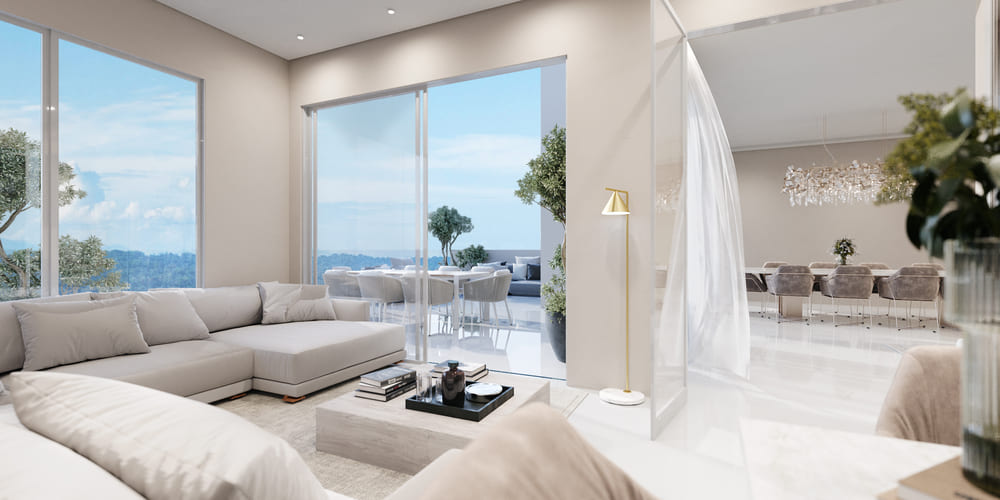
In this context, developments such as Panamá Viejo Residences illustrate how the sector is progressing toward options that blend strong connectivity, practical layouts, and modern residential design. The project offers two-bedroom apartments along with amenities that include a gym, a sports court, landscaped social areas, a food court, a meeting room, a children’s play zone, and round-the-clock security, and it is available for immediate move-in.
Investment in residential projects in Panama continues to position itself as a relevant alternative for those seeking real estate assets in stable markets with growth potential. The country’s consolidation as an urban and economic hub reinforces interest in these types of developments, which combine strategic location, integrated services, and sustained demand over time.

.jpg "Foreign Ownership of Apartments in Panama")
.jpg "Buying Property in Panama")