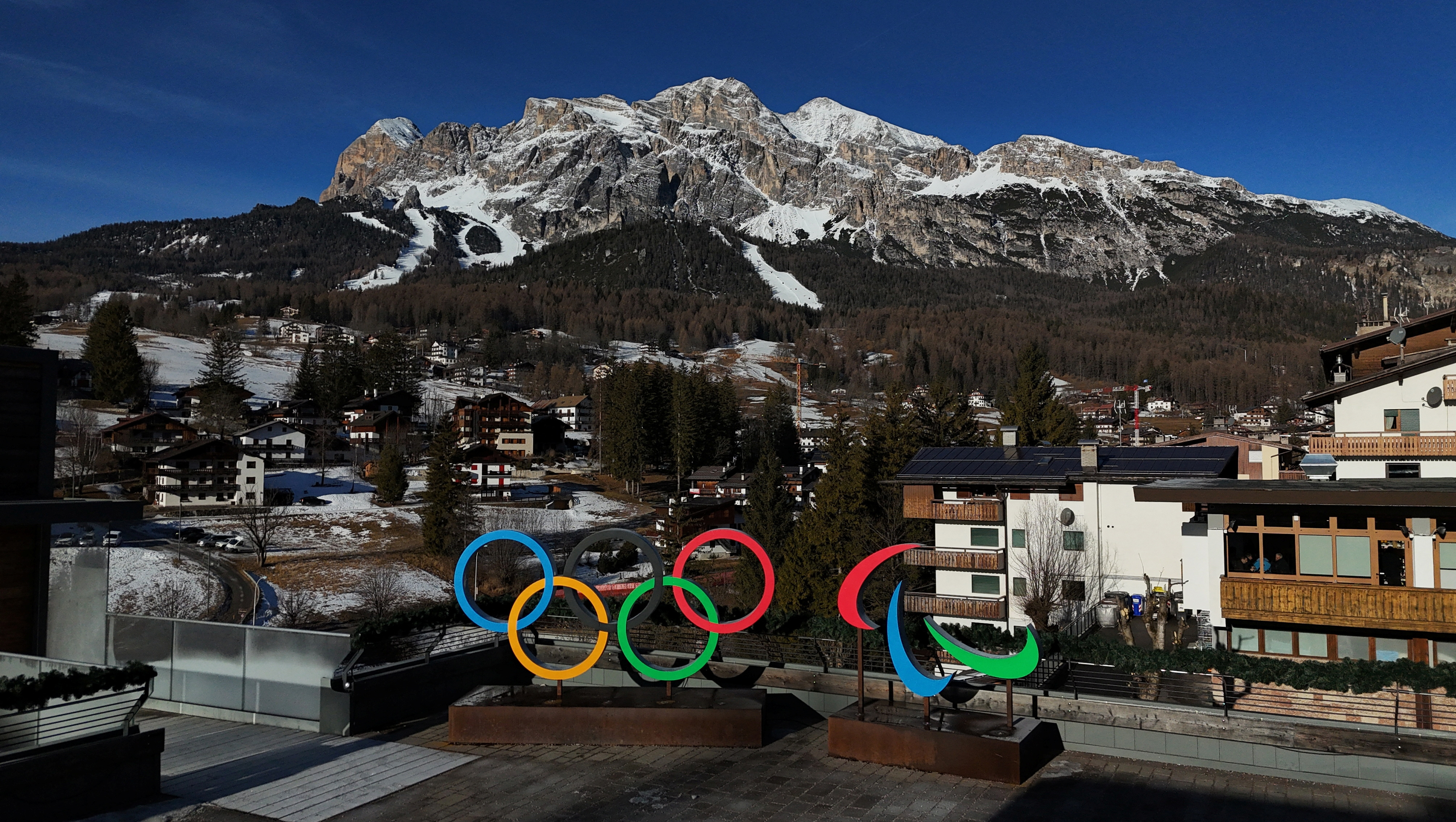
The deployment of U.S. Immigration and Customs Enforcement (ICE) agents in Italy for the upcoming Winter Olympics has sparked growing concern among lawmakers and the public. Questions about jurisdiction, security practices, and past incidents in the U.S. have fueled the debate.
The Italian government faces mounting attention after reports surfaced that ICE officers are set to assist with security at the Milan-Cortina Winter Olympics, a development that has revived debates over the presence of foreign law enforcement in Italy, especially in light of recent violent episodes tied to ICE activities in the United States.
The U.S. Department of Homeland Security (DHS) stated that ICE is involved in the security mission, clarifying that its participation focuses solely on assisting U.S. diplomatic protection and assessing and reducing threats posed by transnational criminal organizations. The agency noted that ICE will refrain from carrying out immigration enforcement in Italy, and all activities will continue to fall under Italian jurisdiction.
Tricia McLaughlin, a DHS spokesperson, explained that ICE’s Homeland Security Investigations division would collaborate with the U.S. Department of State’s Diplomatic Security Service to deliver both logistical and analytical assistance throughout the Games, noting that this role aligns with the agency’s long-standing involvement in prior Olympic events aimed at safeguarding U.S. diplomats overseas.
Italian leaders voice strong opposition
Italian lawmakers voiced concern about ICE’s involvement, pointing to the agency’s reputation and recent events in the United States. Former Prime Minister Giuseppe Conte urged the government to establish clear boundaries and evaluate the consequences of permitting ICE officers to operate in Italy. Conte underscored recent street clashes and deadly incidents linked to ICE in Minneapolis as grounds for restraint.
Milan Mayor Giuseppe Sala echoed this sentiment, describing ICE as a “militia that kills” and questioning whether Italian authorities should accept their participation. Sala emphasized that Italy’s democratic security protocols may not align with ICE’s methods, and local authorities do not see the agency as necessary for Olympic security operations.
Carlo Calenda, another high-profile politician, echoed these concerns, cautioning that ICE agents “should not set foot in Italy” because of what he described as insufficient oversight and accountability, remarks that have heightened public discussion and sparked petitions opposing ICE’s participation in the Games.
Italian government response and diplomatic considerations
Despite the controversy, Italy’s Foreign Minister Antonio Tajani has sought to reassure the public and lawmakers. He clarified that ICE officers will operate in coordination with Italian authorities from control and operations centers, rather than on the streets. Tajani emphasized that their role is technical and counterterrorism-focused, rather than a law enforcement presence in public areas.
Italian Interior Minister Matteo Piantedosi is set to meet with the U.S. ambassador to clarify the extent of ICE’s presence and confirm its consistency with Italian security procedures. Tajani emphasized that this cooperation reflects standard international measures to safeguard diplomatic staff, rather than any direct role in domestic policing.
Public scrutiny and media reaction
Italian media outlets and citizens have been closely monitoring news about ICE’s
Petitions and social media discussions have reflected a growing public sentiment against the deployment, with critics arguing that foreign agencies should not operate on Italian soil in ways that might bypass local security norms. While the U.S. maintains that ICE will operate strictly in a support capacity, many Italians remain skeptical.
The debate highlights wider issues tied to international security cooperation, responsibility, and how specialized U.S. law enforcement teams operate abroad, while rising pressure ahead of the Winter Olympics pushes Italian officials to reconcile diplomatic duties with domestic worries about public safety and civil rights.
The situation remains fluid, and both Italian and U.S. authorities are continuing discussions to define ICE’s responsibilities clearly, ensure transparency, and maintain public trust. The upcoming Games will test not only the organizational capacity of Italy as host but also the delicate balance between international collaboration and national oversight in security operations.